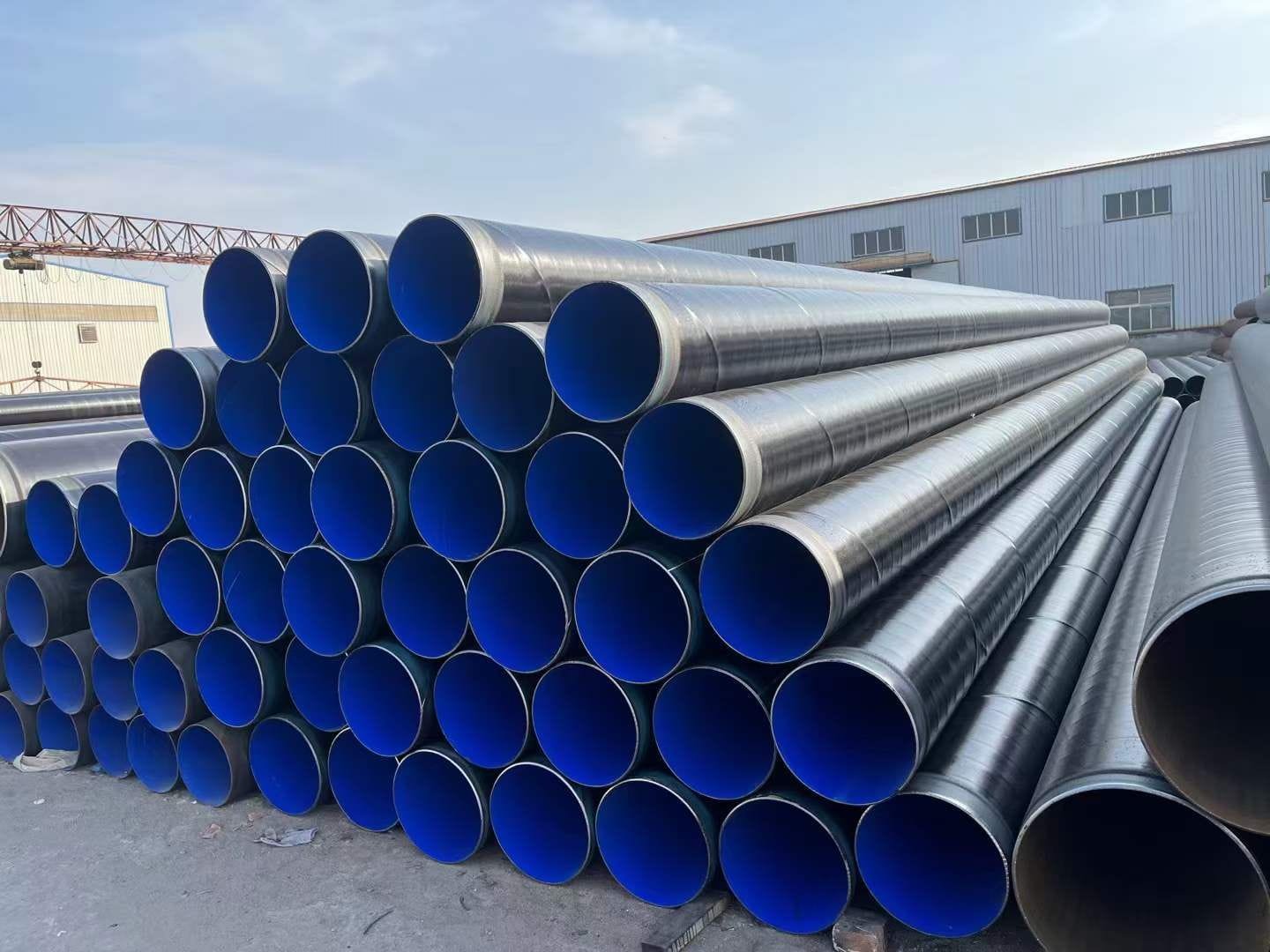
Both API 5L and ASTM A106 are widely specified carbon steel pipe standards, but they are built for different service conditions and are not always interchangeable. API 5L is primarily a line pipe standard for transporting oil, gas, and water, while ASTM A106 is a seamless carbon steel pipe standard intended for high-temperature service in process plants and similar systems.
Standard overview
What is API 5L?
API 5L is the American Petroleum Institute’s specification for line pipe used in pipeline transportation systems for petroleum, natural gas, and water, and it covers both seamless and welded pipe. The standard includes two product specification levels, PSL1 and PSL2, with PSL2 generally carrying tighter chemical, mechanical, and testing requirements than PSL1.
API 5L grades range from Grade B through higher-strength grades such as X42, X52, X60, X65, and X70, which makes it a common choice for transmission lines, gathering systems, and other pipeline applications where strength and line-pipe compliance matter. For buyers looking for API 5L pipe UAE stock, the key selection factors are grade, PSL level, seamless or welded construction, and project-specific compliance requirements.
What is ASTM A106?
ASTM A106 is the standard specification for seamless carbon steel pipe for high-temperature service, and it is widely used in refineries, power plants, boilers, and process piping systems. Unlike API 5L, ASTM A106 is specifically a seamless pipe standard, which is one of the most important distinctions when comparing the two.
ASTM A106 is available in Grades A, B, and C, with Grade B being the most commonly specified because it offers a practical balance of strength, weldability, and availability. In most industrial purchasing contexts, ASTM A106 pipe is chosen when the service involves elevated temperature and pressure rather than long-distance fluid transmission under pipeline codes.
Technical differences
Key technical differences
The core API 5L vs A106 difference starts with intended service: API 5L is aimed at pipeline transportation, while ASTM A106 is intended for high-temperature process service. Another major difference is manufacturing scope, because API 5L covers both seamless and welded pipe, whereas ASTM A106 is limited to seamless carbon steel pipe.
The standards also differ in grades and property structure. API 5L uses grades such as Grade B and X-series grades tied to minimum yield strength, while ASTM A106 uses Grades A, B, and C with published tensile and yield requirements for each grade. For example, ASTM A106 Grade B is commonly listed with minimum yield strength of 35,000 psi and tensile strength of 60,000 psi, while higher A106 grades increase strength further.
Testing and quality expectations also vary. API 5L PSL2 generally imposes tighter quality and testing controls than PSL1, which is relevant in critical oil and gas service. ASTM A106, meanwhile, is valued for seamless high-temperature performance and is typically selected under plant piping specifications rather than transmission pipeline standards.
Application guide
When to use API 5L
API 5L is the right choice when the application involves transmission pipelines, oil and gas gathering lines, and pipeline systems that move crude oil, natural gas, or water over distance. It is especially relevant when the project specification calls for line pipe grades such as X42 through X70 or requires PSL1 or PSL2 compliance.
In practical terms, API 5L pipe UAE demand is strongest in upstream and midstream projects, cross-country pipelines, flowlines, and other systems where line-pipe standards govern procurement. It is also the better fit when welded pipe is acceptable or preferred, because ASTM A106 does not cover welded construction.
When to use ASTM A106
ASTM A106 pipe is generally the better fit for refinery units, utility piping, boiler piping, power plants, and process lines operating at elevated temperatures and pressures. Because it is a seamless carbon steel standard specifically intended for high-temperature service, it is commonly specified in plant environments where thermal performance and pressure integrity are central design concerns.
ASTM A106 Grade B is the most common selection for general refinery and process applications because it combines strong mechanical properties with broad industry familiarity and availability. When a datasheet or piping class explicitly calls for seamless high-temperature carbon steel pipe, ASTM A106 is usually the more direct match than API 5L.
Substitution guidance
Can they be substituted?
Substitution is possible in some cases, but it should never be assumed just because both are carbon steel pipe standards. The right answer depends on the design code, service conditions, client specifications, testing requirements, and whether the project allows line pipe to be used in process piping or vice versa.
For example, some projects may accept certain seamless API 5L grades in applications similar to ASTM A106 Grade B, but that does not make the standards universally interchangeable because their manufacturing scope, intended service, and compliance framework are different. If the specification requires ASTM A106 for high-temperature process service, or API 5L PSL2 for pipeline service, substitution should only happen after formal technical review and client approval.
| Criteria | API 5L | ASTM A106 |
|---|---|---|
| Primary use | Pipeline transportation of oil, gas, and water | High-temperature process service |
| Manufacturing scope | Seamless and welded | Seamless only |
| Common grades | Grade B, X42-X70 and above | Grade A, B, C; Grade B is most common |
| Quality structure | PSL1 and PSL2 | No PSL framework noted in the cited sources |
| Typical sectors | Transmission pipelines, gathering systems | Refineries, boilers, power and process piping |
CTA
Naftaar International FZE stocks both API 5L pipe UAE inventory and ASTM A106 pipe options for oil and gas, refinery, and industrial projects in the UAE, with support for grade selection, documentation, and project-specific sourcing requirements. For project guidance or pricing, contact Naftaar International FZE through the contact page and request a quote for the exact standard, grade, size, and schedule your application requires.