EPC projects in the UAE oil & gas and infrastructure sectors are complex, high-value endeavours that require seamless coordination between engineering, procurement, and construction — often simultaneously. Delays or missteps in one phase can ripple across the entire project, impacting timelines, budgets, and safety. Understanding how EPC works, the risks involved, and what to expect from partners and suppliers helps you plan better, avoid costly surprises, and deliver projects on schedule. This guide walks you through the fundamentals of EPC services in the UAE, the contract models, the three core phases, common challenges, and how a UAE Free Zone supplier like Naftaar International can add value to your project.
What Does EPC Stand For?
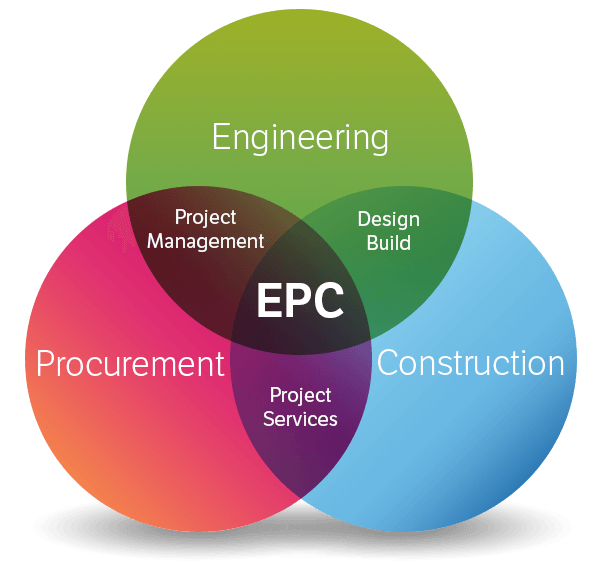
EPC stands for Engineering, Procurement, and Construction — the three integrated pillars of turnkey project delivery.
Engineering covers feasibility studies, conceptual and detailed design, FEED (Front-End Engineering Design), calculations, and technical specifications. It defines how the project will be built and ensures compliance with codes, standards, and client requirements.
Procurement involves sourcing, purchasing, expediting, and delivering all materials, equipment, and services needed for construction. This includes vendor qualification, contract management, logistics, and quality assurance.
Construction encompasses site preparation, civil works, installation, mechanical completion, testing, commissioning, and handover.
In EPC contracts, a single contractor is responsible for all three phases, offering the client a single point of accountability. This model is widely used in oil & gas, petrochemicals, power generation, water desalination, and large infrastructure projects across the UAE. For clients, EPC services UAE bring predictability, reduced coordination burden, and clearer risk allocation.
How EPC Contracts Work
EPC contracts define how responsibilities, costs, and risks are shared between the owner (client) and the EPC contractor. The two most common contract types are:
Lump Sum (Fixed Price)
The EPC contractor agrees to deliver the project for a fixed price, regardless of actual costs. This model transfers most cost-overrun risk to the contractor but often results in higher initial pricing to account for contingencies. Lump sum contracts are preferred when the scope is well-defined and design maturity is high.
Reimbursable (Cost-Plus)
The client pays the contractor for actual costs plus a fee (fixed or percentage-based). This model offers more flexibility for scope changes but places more cost risk on the client. Reimbursable contracts are common when the project scope is evolving or when early execution is needed before design finalization.
Risk Allocation: In a traditional EPC model, the contractor assumes responsibility for design errors, schedule delays (unless caused by client or force majeure), and performance shortfalls. Clear contract terms, robust change management, and strong vendor qualification processes are essential to mitigate disputes and keep projects on track.
The 3 Phases in Detail
Engineering: FEED and EPCM
Engineering sets the technical foundation. Early stages include conceptual design and FEED (Front-End Engineering Design), which defines scope, cost estimates, technical specifications, and risk assessments. Detailed engineering follows, producing construction drawings, piping & instrumentation diagrams (P&IDs), material take-offs (MTOs), and clash-free 3D models. Some projects use EPCM (Engineering, Procurement, and Construction Management) where the contractor manages but does not directly execute construction, shifting some execution risk to the client.
In engineering procurement construction UAE, engineering quality directly impacts procurement accuracy and construction efficiency. Poorly defined specs lead to material mismatches, rework, and delays.
Procurement: Material Sourcing and Expediting
Procurement turns engineering specs into physical materials. Key activities include:
Vendor research and qualification (including AVL checks)
RFQ preparation and bid evaluation
Contract negotiation and purchase order issuance
Manufacturing follow-up and expediting
Inspection, testing, and Mill Test Report (MTR) verification
Logistics, customs clearance, and delivery to site
Timely procurement is critical. Material delays are among the top causes of EPC schedule slippage.
Construction: Site Work and Commissioning
Construction includes mobilization, civil works, installation, mechanical completion, pre-commissioning, commissioning, and handover. Critical path activities often involve piping, equipment installation, welding, non-destructive testing (NDT), and system integration. Commissioning validates that systems operate as designed.
Successful construction relies on accurate engineering data, on-time material delivery, and skilled workforce management. In the UAE, extreme heat, logistics constraints, and tight urban sites add complexity to construction planning.
Common Challenges in EPC Projects
Even well-planned EPC projects face challenges. The most common include:
Material Delays: Long lead items (valves, specialty pipes, exotic alloys) or global supply chain disruptions can delay construction.
Vendor Qualification Issues: Delays in client AVL approval or failed inspections can halt procurement.
Design Changes: Late-stage design revisions cause rework, material mismatches, and schedule overruns.
Documentation Gaps: Missing MTRs, incomplete traceability, or unsigned inspection reports delay client acceptance.
Logistics and Customs: Complex import procedures, port congestion, or incorrect incoterms can hold up deliveries.
Interface Coordination: Poor communication between engineering, procurement, and construction teams leads to clashes and rework.
Cost Overruns: Unforeseen site conditions, scope creep, or price escalations in materials can blow budgets.
Addressing these challenges requires proactive planning, robust supplier relationships, and transparent communication across all project phases.
How a UAE Free Zone Supplier Adds Value
Partnering with a UAE Free Zone supplier brings distinct advantages for EPC projects:
Speed: Stocked inventory in free zones enables faster delivery compared to overseas shipments.
Documentation: Free Zone suppliers are accustomed to providing complete MTRs, traceability logs, and compliance documents required by EPC clients and certifiers.
Local Knowledge: Familiarity with UAE customs, port procedures, and regional standards reduces clearance delays.
Tax and Duty Benefits: Free Zone entities often enjoy duty exemptions and streamlined re-export processes.
Flexibility: Value-added services like cut-to-length, beveling, coating, and testing can be performed locally.
Risk Mitigation: Proximity allows faster response to emergencies, replacements, and technical queries.
For EPC contractors managing tight schedules and strict compliance requirements, a UAE Free Zone supplier reduces logistics risk and accelerates project timelines.
What to Look for in an EPC Material Supplier
Selecting the right material supplier is critical to EPC success. Key criteria include:
Certifications: ISO 9001 quality management, API/ASTM compliance for materials, and relevant industry certifications.
AVL Compliance: Check whether the supplier is on your client’s Approved Vendor List or can be rapidly approved.
Documentation Quality: Complete, legible MTRs, heat numbers, and traceability records that match purchase orders.
Stock Availability: In-stock quantities for common sizes and grades, with realistic lead times for special orders.
Logistics Capability: Proven track record with UAE ports, customs clearance, and on-time delivery.
Technical Support: Ability to provide engineering input, material selection advice, and after-sales support.
Transparent Pricing: Clear quotes with no hidden fees for freight, taxes, or handling.
A reliable EPC contractor oil gas UAE partner ensures materials meet specs, arrive on time, and come with full documentation to avoid inspection delays.
Naftaar International FZE Provides End-to-End EPC Material Supply Services in UAE
Naftaar International FZE is a UAE Free Zone-based supplier delivering end-to-end EPC material supply services for oil & gas, petrochemical, power, and infrastructure projects across the UAE and GCC. We provide fully traceable materials, complete MTRs, AVL-ready documentation, and value-added services including cut-to-length, beveling, and coating. Our local stock, fast logistics, and technical expertise help EPC contractors reduce lead times, ensure compliance, and keep projects on schedule.
For reliable EPC services UAE, seamless material procurement, and a partner who understands the demands of engineering procurement construction UAE, request a quote from Naftaar International FZE today. Let us support your next EPC project with compliant, on-time material delivery and end-to-end supply chain solutions.