Industrial Valves
Naftaar International FZE is a UAE-based stockist and global supplier of ball valves, gate valves, globe valves, check valves, butterfly valves, plug valves, needle valves, and safety relief valves — in carbon steel, alloy steel, stainless steel, duplex, and super duplex materials. Available across all ASME pressure classes from 150 to 2500, with fire-safe, NACE, fugitive emission, and cryogenic options.
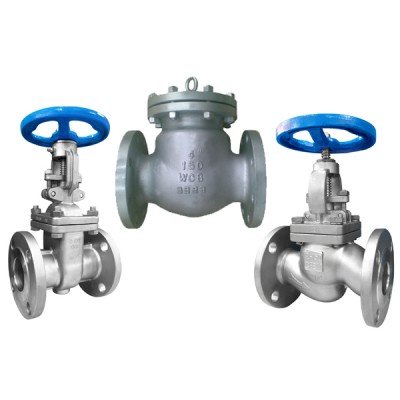
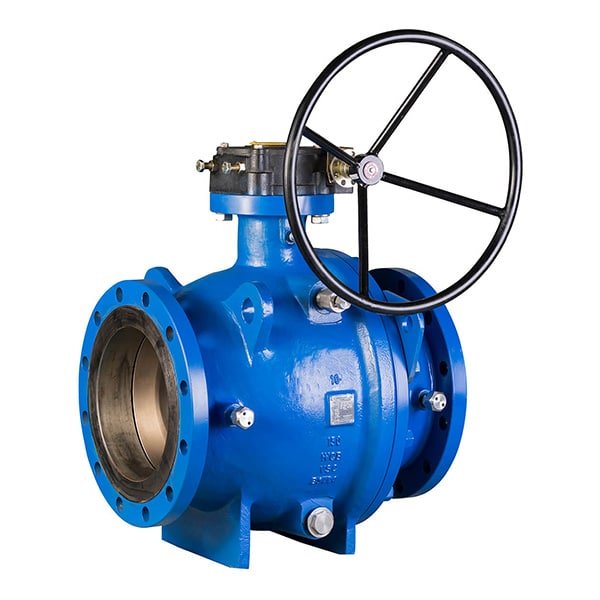
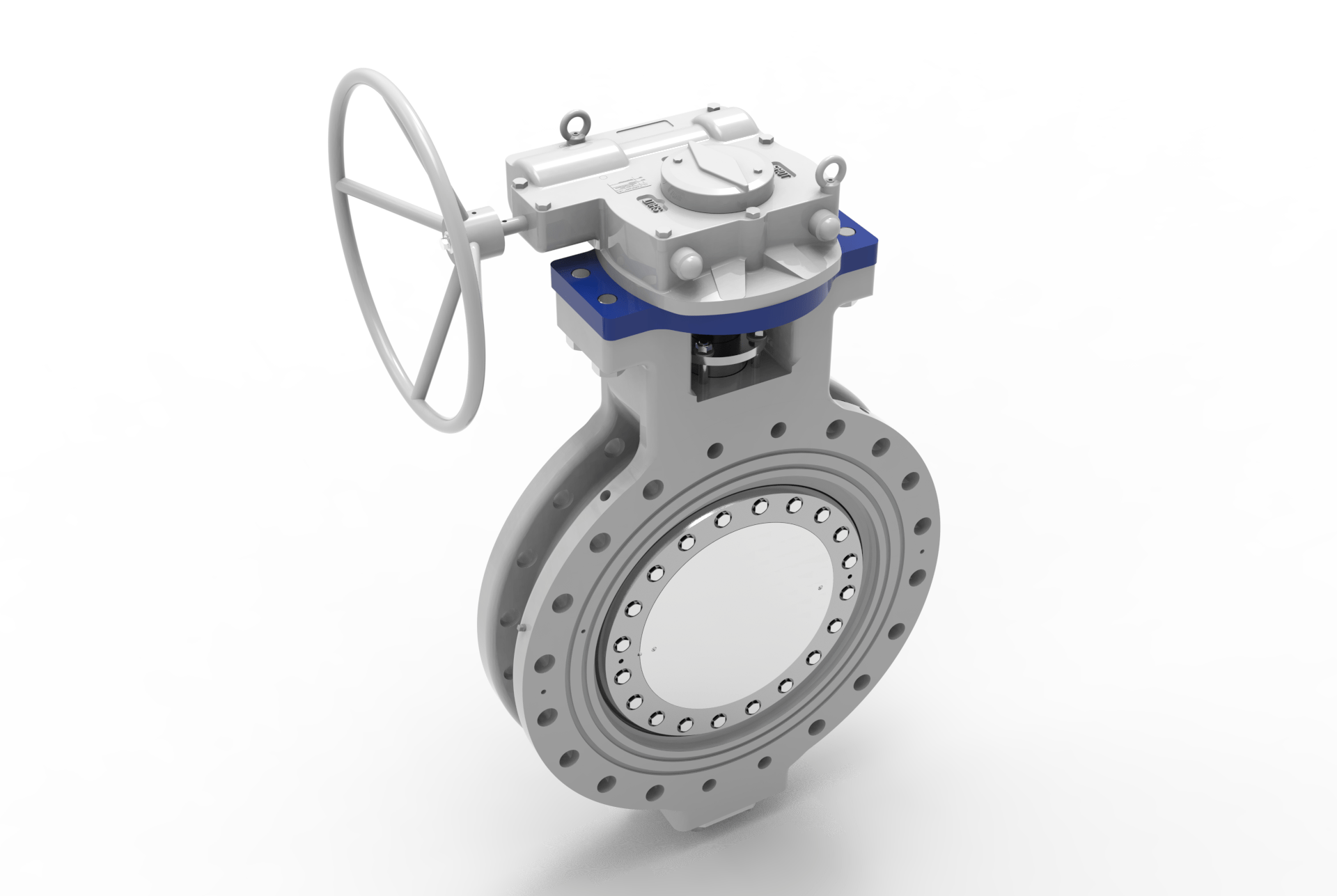
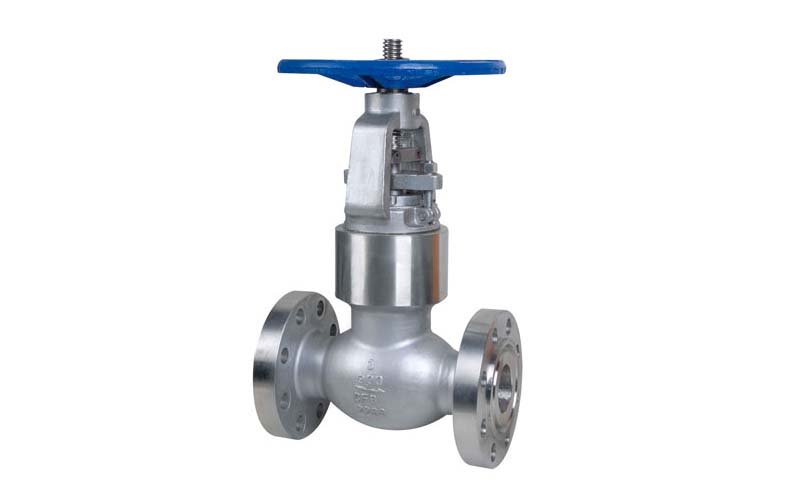
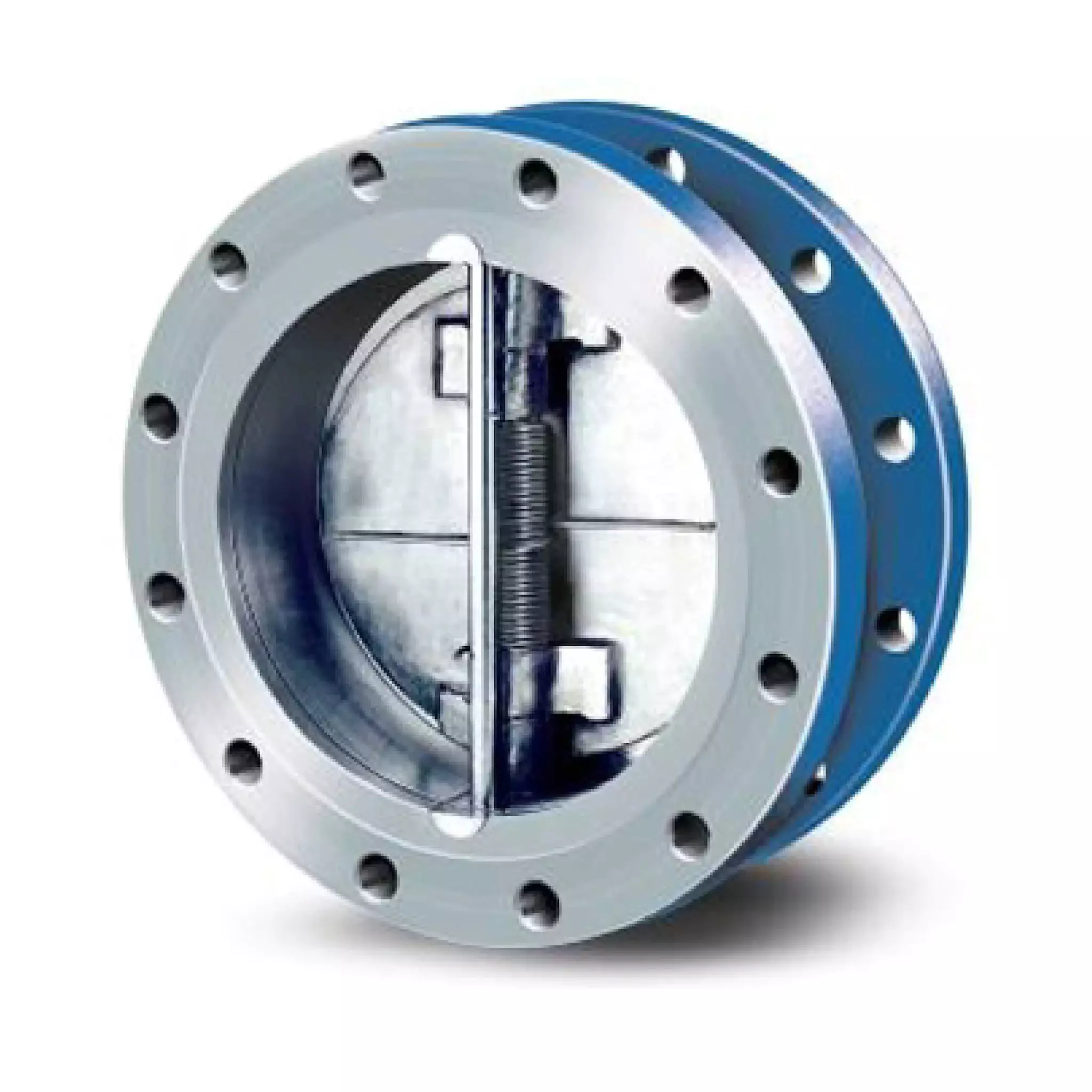
Ball Valves, Gate Valves, Globe Valves & More
Naftaar International FZE is a specialist valve supplier in the UAE — stocking and supplying a comprehensive range of ball valves (API 6D floating and trunnion-mounted), gate valves (API 600, API 602), globe valves (BS 1873, API 623), check valves (API 594, BS 1868), butterfly valves (API 609), plug valves (API 6D), needle valves, and safety relief valves for the global oil & gas, petrochemical, power generation, water treatment, offshore, and industrial construction sectors.
Our valve inventory covers carbon steel (ASTM A216 WCB), low-temperature carbon steel (ASTM A352 LCC), alloy steel (ASTM A217 WC6, WC9, C12A), stainless steel (ASTM A351 CF8M/CF3M), duplex stainless (UNS S31803), and super duplex (UNS S32750) body materials — across all ASME pressure classes from Class 150 to Class 2500, with API 6A 2000 to 20000 psi wellhead ratings available. End connections include flanged (RF and RTJ), butt-weld, socket weld, and threaded.
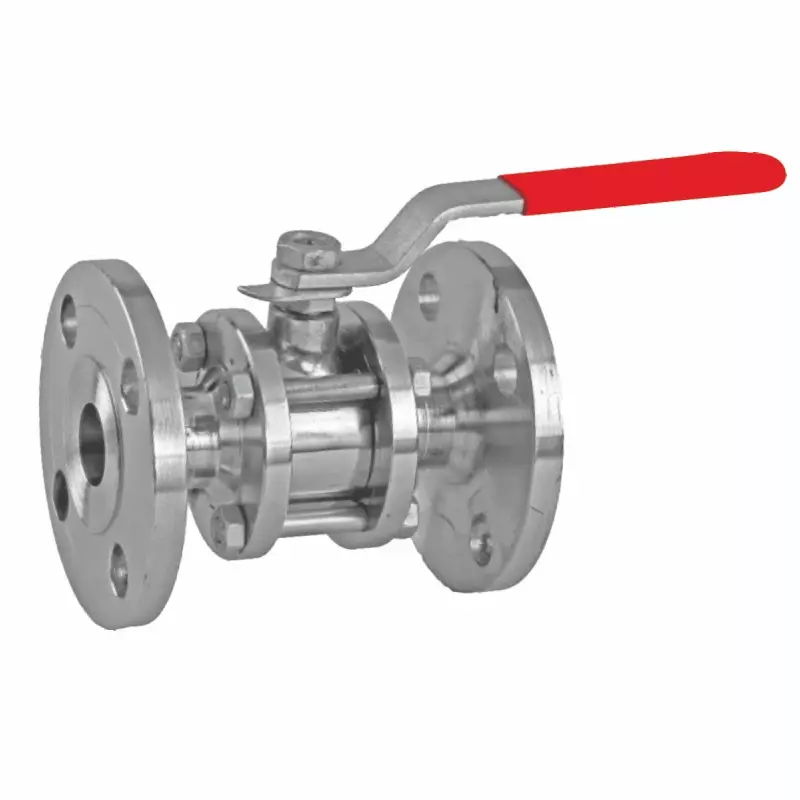 Most Specified
Full-bore and reduced-bore ball valves for quick on/off isolation and throttling in pipelines and process plants. Floating and trunnion-mounted designs for all pressure classes.
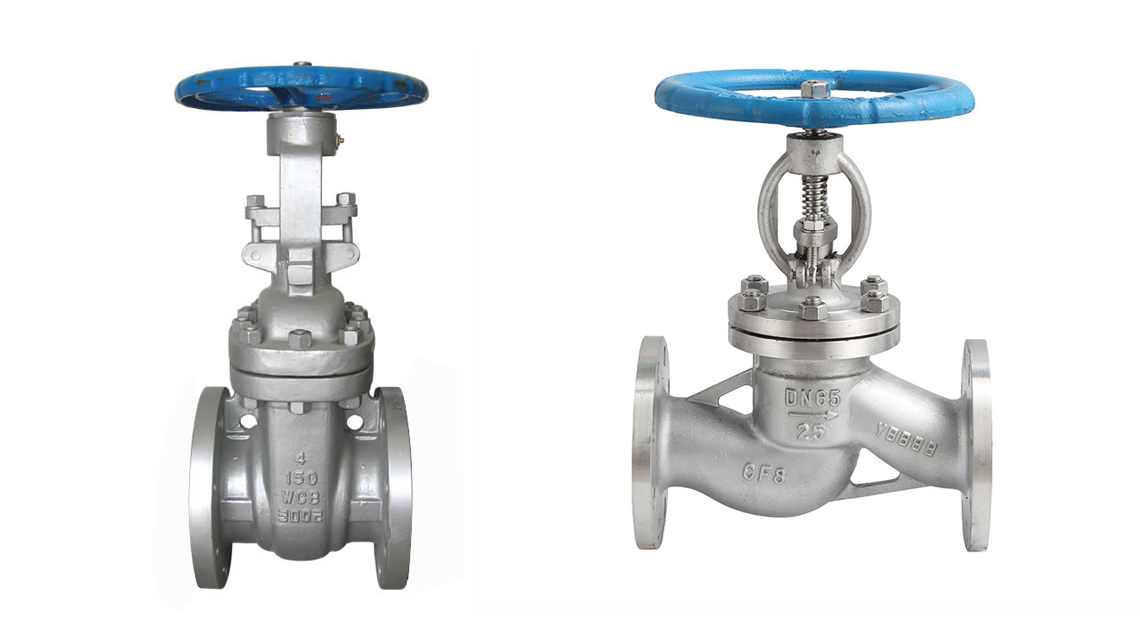 Ready Stock UAE
OS&Y gate valves (API 600/602) for full isolation. Globe valves (BS 1873/API 623) for flow regulation and throttling. Bolted bonnet and pressure seal designs available.
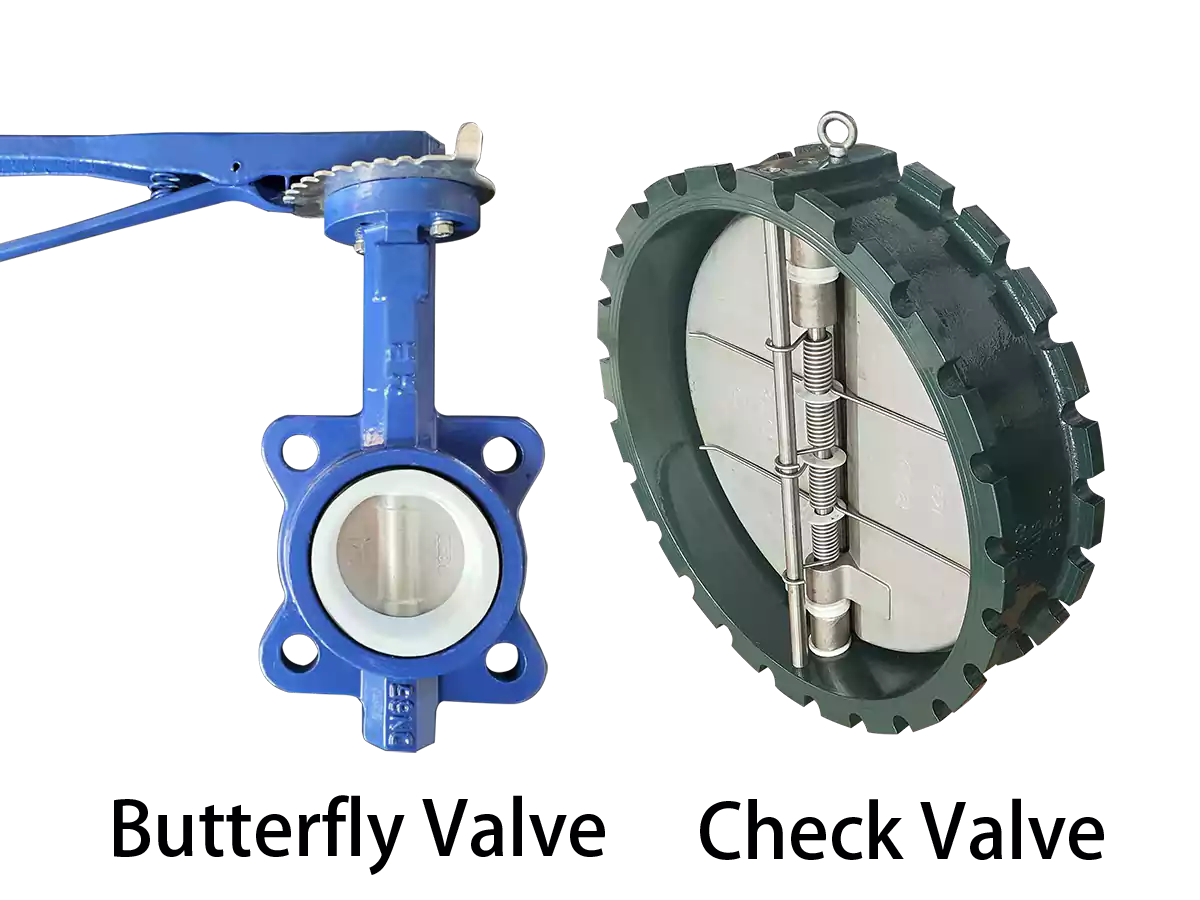 Oil & Gas
Check valves (API 594) prevent backflow in pipelines and pump systems. Butterfly valves (API 609) for large-bore low-pressure isolation and modulating service.
Why Source Valves Through Naftaar UAE
UAE Stock — Fast Dispatch
Ready inventory of common valve types, sizes, and materials at our UAQ FTZ warehouse. Same-day and next-day dispatch for stocked valves. Critical supply for shutdown and maintenance requirements.
A216 WCB Gate/Globe/Check · CS Ball Valves from stockFire-Safe Certified
All hydrocarbon service valves are available with fire-safe design certification to API 607 (soft-seated ball and butterfly) and API 6FA (gate, globe, ball). Metallic backup seats maintain sealing integrity during and after fire.
API 607 · API 6FA · ISO 10497NACE Sour Service Valves
Carbon steel valves supplied in NACE MR0175 / ISO 15156 compliant grades for hydrogen sulphide (H₂S) sour service — hardness-controlled, heat-treated, and documented to meet sour service material requirements.
NACE MR0175 · ISO 15156 · Max 22 HRCFugitive Emission Tested
Low-emission (LE) valve stem packing systems tested to ISO 15848-1 and API 641 for reduced fugitive emissions — meeting increasingly stringent environmental regulations for hydrocarbon service valves.
ISO 15848-1 · API 641 · TA LuftCryogenic Valves
Extended bonnet (cold box) cryogenic valves for LNG, liquid nitrogen, liquid oxygen, and sub-zero temperature service. LCC body material with extended bonnet to keep packing away from cryogenic temperatures.
BS 6364 · ASTM A352 LCC · to -196°CActuated Valve Packages
Valves supplied with pneumatic, hydraulic, or electric actuators as complete packages — including solenoid valves, limit switches, positioners, and handwheels for full remote or automated operation.
Pneumatic · Electric · Hydraulic Actuated🔴 UAE Stock — CS Gate, Globe & Check Valves Ready for Immediate Dispatch
Naftaar maintains ready stock of ASTM A216 WCB carbon steel gate valves (API 600), globe valves (BS 1873), and swing check valves (API 594) in Class 150, 300, 600, and 900 in sizes 2″ to 24″ NPS at our UAQ Free Trade Zone facility. Carbon steel ball valves (API 6D, Class 150–600) also available from stock in 2″ to 16″ NPS. Contact sales@naftaar.com for same-day quotation and confirmed stock availability.
All Valve Types — Complete Guide
01 — Ball Valves (API 6D / API 608)
Ball valves use a spherical closure element (the ball) with a through-bore that rotates 90° between open and closed positions. When fully open the ball bore aligns with the pipeline bore (full-bore ball valve) or a reduced bore (reduced-bore) providing near-zero pressure drop. Ball valves offer fast quarter-turn operation, excellent bi-directional shutoff, and low operating torque. They are the preferred isolation valve in most modern oil & gas pipeline and process applications.
Ball floats on trunnions — pushed against downstream seat by line pressure to create seal. Simple design, cost-effective. Limited to smaller sizes and lower pressures (typically up to 6″ NPS and Class 600).
API 608 · Class 150–600 · ½″–6″Ball fixed to trunnions top and bottom. Spring-loaded seats press against ball from both sides independently of line pressure. Used for large bore and high pressure. Low operating torque — suitable for large actuators.
API 6D · Class 150–2500 · 2″–60″Ball bore diameter = pipe bore diameter. Zero restriction to flow — full Cv. Used for pigging, metering, and where pressure drop must be minimised. Heavier and more expensive than reduced bore.
Pigging Service · Low ΔP · API 6DBall bore is one or two pipe sizes smaller than the pipeline bore. Smaller, lighter, cheaper than full bore. Pressure drop across the valve is higher. Not suitable for pigging service. Standard for most process applications.
Process Plant · Cost Effective · API 6DTwo independent seats providing two sealing surfaces in one valve body. Allows bleed/drain between the two seats for pressure verification. Required by NORSOK and many operator specs for positive isolation.
API 6D DBB · Positive Isolation · HP serviceL-port or T-port ball for diverting or mixing flow between three connections. Used in piping bypass systems, blending stations, and instrument manifolds where flow direction must be switched without additional valves.
L-Port / T-Port · Diverter / Mixer02 — Gate Valves (API 600 / API 602)
Gate valves use a wedge-shaped disc (gate) that moves perpendicularly to the flow path to open or close the valve. When fully open, the gate retracts completely into the bonnet — leaving the full bore unobstructed. Gate valves are used almost exclusively as isolation (on/off) valves — they should not be used for throttling as partial opening causes erosion and vibration of the gate.
The Outside Screw & Yoke (OS&Y) design provides a visual indication of the valve position — if the stem is visible above the yoke, the valve is open; if retracted, it is closed. API 600 covers bolted bonnet designs in Class 150 to 2500; API 602 covers compact steel gate valves for smaller sizes (½″ to 4″ NPS).
Bonnet is bolted to body with multiple bolts. Standard for Class 150 to 900. Easier maintenance — bonnet can be removed for trim inspection and replacement without removing valve from line.
API 600 · Class 150–900 · 2″–24″Bonnet is held by line pressure via a pressure seal ring — the higher the internal pressure, the tighter the seal. Used for Class 900 and above where bolted bonnet becomes impractical due to large bolt loads required.
API 600 · Class 900–2500 · High TempSingle-piece solid wedge disc — simplest design, good for general service. Susceptible to thermal binding in high-temperature service where differential thermal expansion can jam the gate between the seats.
General Service · CS/SS/AlloyOne-piece wedge with a groove around the periphery providing flexibility — accommodates slight thermal distortion without binding. Better seating than solid wedge. Common in steam and high-temperature service.
Steam Service · High TemperatureTwo disc halves that seat against parallel seats. The discs float on the seat — no thermal binding. Best choice for steam, high-temperature, and where differential temperature between inlet/outlet is significant.
Steam · Parallel Seats · Anti-BindingSmall-bore gate valve to API 602 in sizes ½″ to 4″ NPS. Forged or cast body. Socket weld, threaded, or flanged ends. Used for instrument isolation, chemical injection, and small-bore process piping.
API 602 · ½″–4″ NPS · SW/THD/Flanged03 — Globe Valves (BS 1873 / API 623)
Globe valves use a movable disk (plug or plug head) that is lowered onto a stationary ring seat to control flow. Unlike gate valves (which are open or closed), globe valves can be used for throttling — the plug can be partially raised to provide a controllable, restricted flow. The spherical body shape (giving the valve its name) creates a Z-shaped flow path that causes more pressure drop than a gate or ball valve but provides excellent flow regulation capability.
Standard design — flow enters from below the seat and exits horizontally. High pressure drop but good throttling control. Most common globe valve type for general process service. Available bolted bonnet (Class 150–900) and pressure seal (Class 900–2500).
BS 1873 / API 623 · All ClassesFlow path through the body at approximately 45° — lower pressure drop than T-pattern. Good for throttling in high-pressure drops without excessive erosion. Often used in steam service and where pressure drop is critical.
Lower ΔP · Steam Service · Y-BodyFlow enters from below and exits at 90° — similar to T-pattern but the valve body acts as an elbow. Eliminates one 90° elbow fitting in the pipeline. Higher resistance coefficient than Y-pattern but useful in tight layouts.
Right-Angle Body · Elbow ReplacementFine-thread stem with needle-pointed plug. Provides precise flow control in small-bore instrument lines, gauge connections, and chemical dosing applications. Very accurate flow control at low flow rates.
⅛″–2″ NPS · Instrument / Gauge LinesFor Class 900 and above — pressure seal bonnet for high-pressure integrity without large bolted flange. Used in main steam, hot reheat, and high-pressure hydrocarbon service.
Class 900–2500 · Main Steam · HP Oil & GasGlobe valve body with pneumatically or electrically actuated positioner for precise modulating flow control in process systems. Cage-guided or plug-guided trim for stable control across full flow range.
Actuated · Positioner · ANSI/ISA04 — Check Valves (API 594 / BS 1868)
Check valves (non-return valves) are automatic valves that allow flow in one direction only — closing automatically when flow reverses. They have no operating mechanism (stem, handwheel, or actuator) and rely entirely on the differential pressure across the valve disc to open and close. Check valves prevent reverse flow that could damage pumps, compressors, and other equipment downstream.
Hinged disc swings open when flow is in the forward direction and closes by gravity and back-pressure when flow reverses. Lowest pressure drop of all check valve types. Not suitable for vertical pipe flow. Standard for general liquid service.
API 594 / BS 1868 · Low ΔP · Liquid ServiceTwo spring-loaded half-moon plates that fold against a central hinge pin. Compact, lightweight wafer design fits between two flanges without bolting. Fast closing reduces water hammer. Suitable for horizontal and vertical installation.
API 594 Wafer Type · Low Weight · Fast CloseSingle disc tilted at an angle on a centrally-placed pivot — disc centre of gravity is positioned so the disc remains nearly closed during normal flow, reducing slam. Used where water hammer is a concern — compressor and pump discharge.
Anti-Slam · Compressor Discharge · Low ΔPBall or piston that lifts off its seat by forward flow and drops back on reversal. Very similar in body design to a globe valve. Used in vertical piping systems or where high-velocity flow requires a tight shut-off.
Vertical Installation · High Velocity · Ball/PistonDashpot-cushioned piston design — hydraulic damping slows the closing action to prevent water hammer even at high flow velocities. Used where rapid flow reversal occurs frequently — pump discharge lines, gas compressor stations.
Dashpot Cushioned · Pump Discharge · No SlamSpring-assisted check valve with guided piston or disc. Spring force ensures the disc begins to close before flow reverses — eliminating water hammer entirely. Required by many specifications for pump discharge in water injection and feed systems.
Spring Assisted · Zero Water Hammer · Pump Systems05 — Butterfly Valves (API 609 / EN 593)
Butterfly valves use a circular disc mounted on a shaft that rotates 90° to open or close. When fully open the disc is parallel to the flow — creating very low pressure drop. When closed, the disc seals against a resilient seat in the valve body. Butterfly valves are compact, lightweight, and low-cost relative to their bore size — making them ideal for large-bore applications in water, HVAC, and utility services where full-bore flow and occasional throttling are required.
Wafer body clamped between two pipe flanges by long through-bolts. Lightest and cheapest butterfly valve type. Not suitable where one end of the pipeline must be disconnected (blind flanging) as the valve body holds the two flanges together.
API 609 Cat A · Low Weight · Class 150–300Threaded lug inserts in the valve body align with the pipe flange bolt holes — allows the valve to be installed as a dead-end valve (one downstream flange removed). Better than wafer for maintenance and pipe removal.
API 609 Cat A · Dead-End Service · Lugged BodyFull flanged body with integral flanges on both ends. Bolts to pipe flanges normally. Heavier than wafer/lug but provides full structural integrity independent of adjacent pipe flanges. Used for larger bore and higher pressure service.
API 609 Cat B · Class 150–600 · Large BoreThree geometric offsets create a friction-free, cam-action closing movement — disc lifts off seat and re-seats with no rubbing. Metal-to-metal seating provides tight shutoff equivalent to gate or ball valve. Suitable for Class 150 to 2500, fire-safe, and ANSI Class A/IV shutoff.
Metal Seat · Class 150–2500 · Fire Safe · HP06 — Plug Valves (API 6D / ASME B16.34)
Plug valves use a cylindrical or tapered plug that rotates 90° to open or close — similar in operation to a ball valve but using a plug rather than a sphere. Lubricated plug valves are used in gas distribution and where the lubricant provides a hydrocarbon-resistant seal. Non-lubricated eccentric plug valves provide tight shutoff without the need for lubrication — the eccentric plug motion lifts the plug off the seat as it rotates, reducing wear.
Cylindrical tapered plug with grease/lubricant injected through the plug stem to form a thin film between plug and body seats. Used in natural gas distribution, refinery fuel gas, and where positive shutoff with low torque is required.
API 6D · Gas Distribution · Class 150–600Eccentric plug rotates to contact the seat only at the fully closed position — lifting off the seat as it opens. PTFE or other polymer sleeve provides sealing without lubricant. Used for slurry, abrasive, and general process service.
No Lubrication · Slurry Service · EccentricThree or four-way plug valve for diverting flow between multiple pipe lines. Used in manifolds, tanker loading/unloading systems, and where flow needs to be directed to one of several alternative routes without additional valves.
3-Way / 4-Way · Diverter · Manifolds07 & 08 — Needle & Safety Relief Valves
Fine-thread tapered needle plug provides precise metering control in instrument connections, gauge impulse lines, chemical injection, and hydraulic control systems. Available in SS316, Duplex, and CS in Class 6000 to 10000 psi.
⅛″–2″ NPS · SW/THD/BW · Class 3000–10000Pressure Safety Valves (PSV) and Safety Relief Valves (SRV) protect vessels and piping from over-pressure by automatically venting to atmosphere or a flare header when the set pressure is exceeded. Mandatory on all pressure vessels per ASME BPVC Section VIII.
API 526 · ASME BPVC Sec VIII · Set PressureSelf-actuated valve that maintains constant downstream pressure regardless of inlet pressure variation or flow changes. Used in gas pressure reduction stations, instrument air systems, and utility pressure control.
Self-Actuated · Gas / Air · Pressure ControlPinch valves use an elastomeric sleeve that is pinched shut by external fluid pressure or mechanical actuator — no internal components contact the process fluid. Ideal for abrasive slurry, mining tailings, and highly corrosive media.
Mining · Slurry Service · Zero ObstructionFull Valve Specifications
| Valve Type | Design Standard | End Connection | Pressure Classes | Size Range (NPS) | Function | Body Material | Shut-Off |
|---|---|---|---|---|---|---|---|
| Gate Valve (Bolted Bonnet) | API 600 | Flanged RF/RTJ, BW | 150, 300, 600, 900 | 2″ – 24″ | Isolation (on/off) | WCB / WC6 / CF8M | Bi-directional |
| Gate Valve (Pressure Seal) | API 600 | Flanged RF/RTJ, BW | 900, 1500, 2500 | 2″ – 24″ | Isolation (on/off) | WCB / WC9 / C12A | Bi-directional |
| Gate Valve (Compact) | API 602 | SW, THD, BW, Flanged | 150, 300, 600, 900 | ½″ – 4″ | Isolation (on/off) | WCB / A105N | Bi-directional |
| Globe Valve (Bolted Bonnet) | BS 1873 / API 623 | Flanged RF/RTJ, BW | 150, 300, 600, 900 | ½″ – 24″ | Throttling / Isolation | WCB / WC6 / CF8M | Uni-directional |
| Globe Valve (Pressure Seal) | BS 1873 / API 623 | Flanged RTJ, BW | 900, 1500, 2500 | 1″ – 16″ | Throttling / Isolation | WCB / WC9 / C12A | Uni-directional |
| Ball Valve (Floating) | API 608 | Flanged RF/RTJ, SW, THD, BW | 150, 300, 600 | ½″ – 6″ | Isolation (on/off) | WCB / A105N / CF8M | Bi-directional |
| Ball Valve (Trunnion) | API 6D | Flanged RF/RTJ, BW | 150, 300, 600, 900, 1500, 2500 | 2″ – 60″ | Isolation (on/off) | WCB / WC6 / CF8M / S31803 | Bi-directional |
| Ball Valve (DBB) | API 6D DBB | Flanged RF/RTJ, BW | 150 – 2500 | 1″ – 36″ | Positive Isolation | WCB / CF8M / S32750 | Double Block |
| Check Valve (Swing) | API 594 / BS 1868 | Flanged RF/RTJ, BW, Wafer | 150 – 2500 | 2″ – 48″ | Anti-backflow | WCB / CF8M / WC6 | Uni-directional |
| Check Valve (Dual Plate) | API 594 | Wafer, Flanged | 150 – 2500 | 2″ – 48″ | Anti-backflow (fast close) | WCB / CF8M / S31803 | Uni-directional |
| Check Valve (Tilting Disc) | API 594 | Flanged RF/RTJ, BW | 150 – 2500 | 2″ – 48″ | Anti-backflow (anti-slam) | WCB / CF8M | Uni-directional |
| Butterfly Valve (Wafer/Lug) | API 609 Cat A | Wafer / Lug (between flanges) | 150 – 300 | 2″ – 60″ | Isolation / Modulating | WCB / CF8M / Ductile Iron | Resilient Seat |
| Butterfly Valve (Triple Offset) | API 609 Cat B | Flanged RF/RTJ, BW | 150 – 2500 | 2″ – 60″ | Isolation / Throttling | WCB / CF8M / WC6 / S31803 | Metal-to-Metal |
| Plug Valve (Lubricated) | API 6D | Flanged RF, Threaded | 150 – 1500 | ½″ – 24″ | Isolation (on/off) | WCB / CF8M | Bi-directional |
| Needle Valve | ASME B16.34 | SW, THD, BW, Instrument | Class 3000–10000 psi | ⅛″ – 2″ | Fine Flow Control | A105N / A182 F316L | Uni-directional |
| Safety Relief Valve (PSV) | API 526 | Flanged RF, BW | ASME Sec VIII rated | ½″ – 8″ | Over-pressure protection | WCB / CF8M / CS | Auto-actuated |
| End Connection Type | Abbreviation | How Valve is Connected | Typical Valve Classes | Facing | Advantages | Limitations |
|---|---|---|---|---|---|---|
| Flanged Raised Face | FLG RF | Bolted between flanged pipe ends with SWG gasket | Class 150–2500 | RF | Removable without cutting pipe; easy maintenance | More hardware (bolts, gaskets, flanges); heavier |
| Flanged Ring Type Joint | FLG RTJ | Bolted between RTJ flanged pipe ends with metal ring gasket | Class 600–2500 · API | RTJ groove | Higher sealing integrity than RF; required offshore/HP | Metal ring must be replaced on every opening |
| Butt-Weld (BW) | BW | Bevelled end welded directly to pipe with full penetration groove weld | All classes | Weld bevel | No bolts/gaskets; lowest pressure drop; lightest weight | Valve non-removable without cutting pipe |
| Socket Weld (SW) | SW | Pipe inserted into socket bore and fillet welded externally | Class 150–2500 | — | Simple alignment; for small-bore HP service | ⅛″–2″ NPS only; crevice between pipe and socket |
| Threaded (NPT) | THD/SC | Female NPT thread screwed onto male pipe thread | Class 150–600 | — | No welding required; quick assembly/disassembly | Lower pressure rating; leakage risk under vibration |
| Wafer (Between Flanges) | Wafer | Clamped between two pipe flanges with long through-bolts | Class 150–300 (most) | Flat face | Compact, lightweight, low cost; for butterfly/check | Cannot be used as dead-end (blind flange on one side) |
API 600 designates valve internal trim by a numbered system — the trim number defines the material of the wetted internal components (wedge/disc, seat rings, stem, packing). The most common trim numbers and their typical applications:
| API Trim No. | Seat Material | Wedge / Disc Material | Stem Material | Body Material | Typical Application |
|---|---|---|---|---|---|
| Trim 1 | 13% Cr SS (410) | 13% Cr SS (410) | 13% Cr SS (410) | WCB | Standard carbon steel gate/globe valves — non-corrosive service |
| Trim 2 | 304 SS | 304 SS | 304 SS | WCB / CF8 | Mildly corrosive service — dilute acid, caustic |
| Trim 5 | Stellite (Co-Cr alloy) faced | Stellite faced on 410 SS base | 13% Cr SS | WCB / WC6 | High-temperature steam and boiler feed water valves; erosive service |
| Trim 8 | 316 SS | 316 SS | 316 SS | WCB / CF8M | Corrosive process and offshore service; acid/caustic environments |
| Trim 10 | Monel K500 faced | Monel faced on 316 SS base | Monel K500 | WCB / CF8M | Seawater, HF acid, and highly corrosive chemical service |
| Trim 11 | Stellite-faced on 316 SS | Stellite-faced 316 SS | 316 SS | WCB / CF8M | Severe erosion and corrosion combined — refinery catalytic cracking |
| Trim 12 | Hard chrome 316 SS | Hard chrome 316 SS | 316 SS | WCB | Abrasive slurry and erosive media |
Fire Safe (API 607 / API 6FA)
Metallic backup seats that maintain partial sealing integrity after fire destroys the soft polymer seat. Mandatory for hydrocarbon service on offshore platforms, process areas, and classified hazardous zones. Fire test certification per API 607 (quarter-turn) or API 6FA (all valve types) supplied with valve.
Fugitive Emission Tested (ISO 15848 / API 641)
Low-emission (LE) valve packing systems tested and certified to control fugitive emissions from the valve stem. Required by environmental regulations in many jurisdictions. ISO 15848-1 Class BH, or API 641 (ball valves) certification. Graphite or PTFE injection-type packing with double packing rings.
Anti-Static Device (API 6D)
Spring-loaded stainless steel contact between ball/plug and body provides electrical continuity — preventing static charge build-up on the rotating closure element. Mandatory for ball and plug valves in hydrocarbon and gas service per API 6D.
Cryogenic Service (BS 6364)
Extended bonnet (cold box design) keeps the stem packing away from the cryogenic fluid — preventing packing embrittlement. LCC (ASTM A352) low-temperature carbon steel body. Impact tested at -196°C. Used for LNG, liquid nitrogen, and liquid oxygen service.
NACE MR0175 / ISO 15156 Compliant
Hardness-controlled body, bonnet, and trim materials for hydrogen sulphide sour service. Carbon steel bodies in NACE-compliant heat treatment condition (max. 22 HRC). Special low-alloy trim materials. Full documentation including hardness survey report.
Actuated Valve Packages
Valves supplied with pneumatic scotch-yoke or rack-and-pinion actuators, electric multi-turn or part-turn actuators, or hydraulic actuators — including solenoid valves, limit switches, handwheel override, position transmitters, and junction boxes. Complete ESD (Emergency Shut Down) and ESD-reset valve packages.
Positive Material Identification (PMI)
100% PMI of all pressure-retaining components (body, bonnet, trim) by XRF or OES for critical service valves — confirming no material mix-up. Especially important for stainless, alloy, duplex, and Inconel valves. PMI report included in documentation package.
High-Temperature Graphite Packing
Graphite-based stem packing for valves operating above 300°C where PTFE-based packing becomes unsuitable. Flexible graphite rings or injection graphite packing. Mandatory for alloy steel valves in power generation (P91, P22 systems) and refinery furnace/reformer service.
Valve Body & Trim Materials
Valve body material must be compatible with the process fluid, operating temperature, and pressure — and where H₂S is present, must also comply with NACE MR0175 / ISO 15156 sour service material requirements. Internal trim materials (seats, disc/wedge, stem) must resist wear, corrosion, and erosion under the specific flow conditions. Naftaar supplies valves in all standard body and trim material combinations.
| Material Type | ASTM Spec (Cast) | Grade / Type | Min Yield (MPa) | Min UTS (MPa) | Max Design Temp | Min Temp | NACE OK | Equivalent Forged |
|---|---|---|---|---|---|---|---|---|
| Carbon Steel | ASTM A216 | WCB (most common) | 250 | 485 | 425°C | -29°C | Yes ≤22HRC | A105N (forged) |
| Carbon Steel | ASTM A216 | WCA (lower carbon) | 207 | 415 | 425°C | -29°C | Yes | A105N |
| Low-Temp CS | ASTM A352 | LCB (-46°C) / LCC (-46°C) | 240–275 | 415–485 | — | -46°C | Yes (LCC) | A350 LF2 |
| Alloy Steel (Cr-Mo) | ASTM A217 | WC6 (1¼Cr-½Mo) | 275 | 490 | 580°C | — | Limited | A182 F11 |
| Alloy Steel (Cr-Mo) | ASTM A217 | WC9 (2¼Cr-1Mo) | 275 | 490 | 610°C | — | Limited | A182 F22 |
| Alloy Steel (9Cr) | ASTM A217 | C12A (9Cr-1Mo-V) | 415 | 585 | 625°C | — | Limited | A182 F91 |
| SS — Austenitic | ASTM A351 | CF8M (316 SS) — most common SS | 205 | 485 | 815°C | -196°C | Yes | A182 F316 (forged) |
| SS — Austenitic | ASTM A351 | CF8 (304 SS) | 205 | 485 | 815°C | -196°C | Yes | A182 F304 (forged) |
| SS — Austenitic | ASTM A351 | CF3M (316L SS) | 170 | 415 | 815°C | -196°C | Yes | A182 F316L (forged) |
| Duplex SS | ASTM A890 | 4A (S31803 / 2205 Duplex) | 450 | 620 | 315°C | -46°C | Yes (with testing) | A182 F51 (forged) |
| Super Duplex SS | ASTM A890 | 5A (S32750 / 2507 Super Duplex) | 550 | 760 | 280°C | -46°C | Yes (with testing) | A182 F53 (forged) |
| Nickel Alloy | ASTM A494 | CW-6MC / CY-40 (Inconel equiv) | 207 | 480 | 980°C | -196°C | Yes | B564 N06625 (forged) |
| Seat / Trim Type | Material | Hardness (HRC) | Temp Range | Applications | Suitable for NACE |
|---|---|---|---|---|---|
| Soft Seat (PTFE) | PTFE (Polytetrafluoroethylene) | — | -200°C to +200°C | Ball valves, butterfly — chemical, water, gas; ANSI Class VI shutoff | Generally yes |
| Soft Seat (RTFE) | Reinforced PTFE (glass-filled) | — | -200°C to +220°C | Ball valves — higher pressure and temperature than virgin PTFE | Generally yes |
| Metal Seat (13%Cr) | AISI 410 (13% Chromium SS) | 22–28 HRC | -29°C to +425°C | Gate/globe standard trim (API Trim 1) — non-corrosive process | Yes (if ≤22 HRC) |
| Metal Seat (316 SS) | AISI 316 SS | — | -196°C to +815°C | API Trim 8 — corrosive service, offshore, chemical processing | Yes |
| Stellite (Hard Face) | Stellite 6 (Cobalt-Chromium alloy) | 38–46 HRC | -200°C to +800°C | API Trim 5/11 — high-temp steam, erosive/corrosive refinery service | Check grade/hardness |
| Metal Seat (Duplex) | UNS S31803 / S32750 | — | -46°C to +315°C | Offshore, seawater, and sour service valves — trim matched to body | Yes (S31803) |
| Metal Seat (Inconel 625) | UNS N06625 | — | -196°C to +980°C | HPHT sour service, subsea production, and highly corrosive chemical service | Yes |
| Hard Chrome Plate | Electroless Nickel / Chrome plate on 316 SS base | 60–70 HRC | -200°C to +200°C | Ball valves — abrasive slurry, sand-laden gas, solid particle-containing fluids | Generally yes |
Valves — Where They're Used
Industrial valves are used throughout every oil & gas, petrochemical, power, water, and industrial piping system — for flow isolation, flow regulation, backflow prevention, and over-pressure protection. Selecting the correct valve type, body material, trim, end connection, and pressure class for each specific application is critical for safe, reliable, and long-lived operation. Naftaar's technical team assists with valve selection for all project requirements.
Oil & Gas Upstream
Wellhead isolation (Christmas tree valves), production manifold isolation, separator vessel block valves, pig trap ball valves, water injection pump discharge check valves, chemical injection needle valves. API 6A for wellhead service.
Trunnion Ball (API 6D) · Gate (API 600) · Needle · API 6A WellheadOil & Gas Midstream
Mainline pipeline ball valves (API 6D full bore), pig trap block valves, meter station isolation, compressor station suction/discharge, pump station block and relief valves. Anti-surge check valves for compressor protection.
API 6D Full Bore Trunnion Ball · PSV (API 526) · Anti-Surge CheckRefinery & Petrochemical
Column isolation gate valves, heat exchanger isolation, pump casing block valves, furnace isolation globe valves (high-temp alloy trim), overhead condenser check valves, PSV on reactors and distillation columns.
API 600 Gate · Pressure Seal Globe · Stellite Trim · PSVPower Generation
Main steam isolation gate valves (P91/P92 body), turbine bypass globe valves, boiler drum isolation, extraction steam check valves, condenser isolation butterfly valves, safety valves on boiler drums.
Pressure Seal Gate/Globe · C12A/WC9 Body · Stellite TrimWater & Desalination
Seawater lift pump discharge check valves, RO plant isolation valves, chlorine dosing needle valves, brine discharge butterfly valves. Super duplex body for chloride-rich seawater service. Resilient-seated butterfly valves for freshwater.
Super Duplex CF8M · Butterfly (API 609) · Dual Plate CheckOffshore & FPSO
Topside process isolation ball valves (fire safe, anti-static, ESD), firewater deluge valves, emergency shutdown (ESD) valves, subsea ball valves, import/export riser isolation, ballast valve actuated packages.
API 6D Fire Safe ESD Ball · Triple Offset BFV · Actuated PkgConstruction & HVAC
Chilled water isolation gate and butterfly valves, heating system globe valves, fire protection check valves, pressure reducing valves for water supply, compressed air isolation ball valves.
Butterfly (Class 150 RF) · Gate (API 600) · Swing CheckLNG & Cryogenic
LNG transfer isolation ball valves (extended stem cryogenic), BOG compressor check valves, liquid nitrogen isolation, cryogenic safety relief valves. Extended bonnet design to keep stem packing away from sub-zero liquid temperatures.
Cryogenic Ball / Gate (BS 6364) · LCC Body · Extended BonnetMining & Industrial
Slurry pipeline knife gate valves, reagent dosing needle valves, acid leach circuit isolation (lined or duplex body), concentrate transfer pinch valves, mine dewatering pump check valves.
Knife Gate · Pinch Valve · CF8M / F51 Duplex BodyValve Function Selection Guide
- Ball Valve: Quarter-turn, fast operation, bi-directional sealing, fire-safe option, full or reduced bore — best for pipeline and process isolation
- Gate Valve: Multi-turn, full-bore when open, visual position indication (OS&Y), used for infrequent on/off service — standard in older plant designs
- Butterfly Valve (TOBV): Large-bore isolation with metal-to-metal seat — Class 150 to 2500 suitable for large pipes where ball valves would be impractical
- Plug Valve: Quarter-turn, eccentric seating — suitable for slurry, abrasive media, and natural gas distribution
- Globe Valve: Best throttling valve — disc and seat design provides stable, controllable flow at any degree of opening. Ideal for manual throttling and steam service
- Control Valve (Actuated Globe): Globe body with pneumatic positioner for automated process flow control — widely used in refinery and process plant control systems
- Butterfly Valve (Resilient Seat): Modulating service in large bore water and HVAC systems — cost-effective for large diameter throttling
- Needle Valve: Very precise fine-flow metering in small-bore instrument and chemical injection lines
⚠️ Never Use a Gate Valve for Throttling
Gate valves are designed for full-open or full-closed operation only. Throttling with a gate valve causes the high-velocity partial-flow stream to vibrate and erode the gate (disc) and seat faces — destroying the seating surfaces within a short period and leading to seat leakage and eventual valve failure. If flow regulation is required, use a globe valve or a control valve. If fast quarter-turn throttling is acceptable, use a ball valve or triple-offset butterfly valve specifically rated for throttling service.
International Valve Standards
The primary standard for bolted bonnet and pressure seal steel gate valves in the oil and petrochemical industries. Covers design, materials, dimensions, testing, inspection, and marking for gate valves in Class 150 to 2500. OS&Y (Outside Screw & Yoke) design provides visual indication of valve position.
Covers compact design steel gate valves in sizes NPS ½″ to 4″. Available with flanged, socket weld, threaded, and butt-weld end connections. Forged body construction. Used for instrument isolation, process connections, and small-bore high-pressure service.
Specification for ball valves, gate valves, check valves, and plug valves for pipeline service. The premier standard for oil and gas transmission pipeline valves. Covers full-bore and reduced-bore ball valves, through-conduit gate valves, and check valves. Requires anti-static device, fire-safe design, and seat leakage testing. Two product specification levels (PSL 1 & 2).
The British standard covering flanged steel globe valves and globe stop-check valves for the petroleum, petrochemical, and allied industries. Widely used alongside API standards in MENA, UK, and British-influenced projects. Covers bolted bonnet (Class 150–900) and pressure seal (Class 900–2500) designs.
API 623 is the US equivalent of BS 1873 for steel globe valves — covering flanged and butt-weld end globe and globe stop-check valves in sizes NPS ½″ to 24″, Class 150 to 2500. Developed to supplement API 600 (gate valves) with a globe valve equivalent for the petroleum industry.
Covers swing check valves and dual-plate (dual disc) wafer check valves in flanged, lug, wafer, and butt-weld end configurations. Specifies material, pressure-temperature ratings, testing, and marking. The standard API check valve specification for oil, gas, and petrochemical plant service.
Covers lug-wafer butterfly valves (Category A) and flanged butterfly valves including triple-offset metal-seated types (Category B) for oil, gas, and petrochemical service. Category B valves are suitable for on/off and throttling service in Class 150 to 2500. Triple-offset design provides metal-to-metal seating equivalent to gate or ball valve shutoff.
The foundational ASME standard governing pressure-temperature ratings, dimensions, materials, and testing for flanged, threaded, and butt-weld end valves. Most API valve standards (API 600, API 6D) reference ASME B16.34 for pressure-temperature ratings. Covers all valve types and all pressure classes.
Covers the design, dimensions, materials, inspection, testing, and marking of flanged steel pressure relief valves for petroleum, petrochemical, and related applications. Specifies standard API orifice sizes (D through T) and provides standardised valve dimensions to enable interchangeability. Used on all ASME pressure vessels.
API 607 covers fire testing of quarter-turn valves and their actuators (ball and butterfly). API 6FA covers fire testing of all valve types including gate, globe, ball, and plug valves. Valves are exposed to external fire at 750°C–1000°C for 30 minutes while maintaining pressure — then tested for leakage. ISO 10497 is the ISO equivalent standard.
Covers design, testing, and performance requirements for valves operating at cryogenic temperatures (below -46°C, including LNG service at -162°C and liquid nitrogen at -196°C). Requires extended bonnet design, Charpy impact testing at service temperature, and type testing at cryogenic conditions.
API 6A covers all equipment used in wellhead systems and Christmas trees — including gate valves, check valves, and chokes. Valves rated in psi WP: 2000, 3000, 5000, 10000, 15000, and 20000 psi. Four PSL levels with increasingly strict quality. RTJ sealing standard. Used on oil and gas wellheads worldwide.
EN 10204 Type 3.1 MTC
Original body and bonnet material test certificate including chemical composition, mechanical tests, heat number, and hardness survey. Standard with every valve supplied by Naftaar.
Hydrostatic & Seat Leakage Test
Valve body hydrostatic test at 1.5× MAWP and seat leakage test at rated pressure per API 598 / API 6D test requirements. Test pressure reports included with every valve.
Fire Safe Test Certificate
API 607 or API 6FA / ISO 10497 fire test certificate confirming the valve passed the required fire exposure test. Supplied with all fire-safe designated valves.
Fugitive Emission Test Report
ISO 15848-1 or API 641 test certificate for low-emission stem sealing. Required increasingly for environmental compliance in process plant valve applications.
PMI Test Reports (XRF)
Positive Material Identification confirming body, bonnet, and trim material composition. Critical for alloy steel, stainless, duplex, and Inconel valves to prevent material mix-up.
Export & Trade Documents
UAE Certificate of Origin, commercial invoice, packing list, export customs clearance. SONCAP/COC available for West Africa. L/C documentation managed by Naftaar's logistics team.
Valves — Common Questions
Answers to the most common questions our team receives about industrial valve procurement. Email sales@naftaar.com or call +971 58 186 5535 for specific technical guidance.
The key difference is in how the ball is supported and how the sealing load is created:
- Floating Ball Valve: The ball is not mechanically fixed — it "floats" on its trunnion pins and is pushed laterally by line pressure against the downstream seat ring to create the seal. The sealing load is directly proportional to line pressure. Simple design, lower cost. Limited to smaller sizes (typically up to 6″ NPS) and lower pressure classes (up to Class 600) because at higher pressures, the force on the downstream seat becomes too high, causing excessive operating torque and seat damage.
- Trunnion Mounted Ball Valve: The ball is mechanically fixed to trunnion supports at top and bottom. The seat rings are spring-loaded to press against the ball from both sides — creating a bi-directional seal independent of line pressure. This means operating torque remains low even at high pressures and large bore sizes. Trunnion valves are heavier and more expensive but are required for Class 900+, large bore (8″+ NPS), and anywhere that low operating torque is critical (e.g. actuated valves, emergency shutdown valves).
A "fire safe" valve is designed to maintain a minimum level of sealing integrity if the soft (polymer or elastomeric) seat and stem seals are destroyed by an external fire. The valve achieves this through metallic backup seats that take over sealing duty if the soft seats are burned away. The valve is tested per API 607 (quarter-turn — ball and butterfly) or API 6FA / ISO 10497 (all valve types including gate and globe) by exposing the valve to a controlled external fire at 750°C–1000°C for 30 minutes while under pressure, then measuring body leakage and seat leakage after the fire.
When is fire-safe required? For all valves handling flammable hydrocarbons on offshore platforms and FPSOs, onshore oil and gas facilities, refineries and petrochemical plants, and any area classified as a hazardous zone. Many national and international standards (NORSOK, Shell DEP, ADNOC specifications) mandate fire-safe valves for all hydrocarbon service. If you are unsure whether your project requires fire-safe valves, specify them — it is better to over-specify than to use a non-fire-safe valve in a fire-risk environment.
API 600 covers bolted bonnet steel gate valves for petroleum and chemical plant service — specifically process plant gate valves (inside the plant boundary) in Class 150 to 2500. API 600 valves have a wedge gate (solid, flexible, or split) with an OS&Y (rising stem) design. The stem rises visually through the yoke as the valve opens — providing a clear visual position indicator.
API 6D covers valves for pipeline service (transmission and gathering pipelines). API 6D gate valves are typically through-conduit (slab gate) or expanding gate types — designed so that when fully open, the bore is completely clear with no metal protruding into the flow path (important for pigging service). API 6D valves are typically higher quality with more stringent testing requirements than API 600 — including anti-static device, fire-safe design, and seat-leakage testing to tighter limits.
In summary: if your gate valve is in a pipeline that may be pigged, or in mainline transmission service, specify API 6D. If your gate valve is in a process plant, specify API 600.
Fugitive emissions are unintentional leaks of process gas or volatile liquid from valve stem packing, flange connections, or other valve sealing points — directly to the atmosphere. In oil and gas service, these emissions are primarily VOCs (volatile organic compounds) and methane, which contribute to air quality issues and greenhouse gas emissions. Fugitive emission testing measures the amount of gas leaking from the valve stem packing under pressurised conditions.
Valves are tested to ISO 15848-1 (or API 641 for ball valves) to quantify stem leakage — with Class BH being the most common requirement (leakage less than 50 ppm by volume). Low-emission (LE) valves typically use graphite or PTFE injection-type packing with double packing sets.
Fugitive emission certified valves are now required by environmental regulations in many jurisdictions — including the EU IED (Industrial Emissions Directive), US EPA regulations, LDAR (Leak Detection and Repair) programmes, ADNOC and Saudi Aramco environmental standards, and NORSOK M-630. If your project requires compliance with environmental regulations or operator standards referencing fugitive emissions, specify ISO 15848-1 Class BH or API 641 in your valve RFQ.
Seawater is one of the most corrosive environments for valve materials — containing chloride ions, biological agents, and oxygen that rapidly attack carbon steel and even standard austenitic stainless steel (TP316L). The correct valve material selection for seawater service depends on the specific application:
- Super Duplex Stainless Steel (S32750 / CF3M cast equivalent): The preferred body material for seawater lift valves, seawater injection, and FPSO seawater systems. PREN >40 provides excellent pitting resistance in high-chloride environments.
- Duplex SS (S31803): Suitable for less aggressive seawater applications and where cost is a factor — lower PREN than super duplex but still much better than 316L.
- Gunmetal / Bronze: Traditional seawater valve material for marine applications — copper-based alloy with good seawater corrosion resistance. Used for sea chest valves and overboard valves on vessels.
- Titanium: Ultimate seawater resistance for the most aggressive environments — high cost but zero corrosion. Used in some desalination plant and defence applications.
- Carbon Steel with Cathodic Protection: CS body with sacrificial anode CP system and fusion-bonded epoxy (FBE) internal coating — used for large bore seawater pipeline isolation valves where duplex is not economical.
Please specify the seawater temperature, flow velocity, and whether the fluid is de-oxygenated (injection water) or oxygenated (lift water) in your RFQ — these factors affect the corrosion rate and optimal material selection.
API 598 is the standard testing specification for all valve types — it defines the required hydrostatic and leakage tests for gate, globe, check, ball, plug, and butterfly valves. Every valve supplied by Naftaar is factory-tested in accordance with API 598 as standard. API 598 requires three tests:
- Shell (Body) Hydrostatic Test: The valve body and bonnet are hydrostatically tested at 1.5× the rated working pressure (at room temperature) with water. No visible leakage through body, bonnet, or any pressure-containing part is permitted. Test duration is typically 2 minutes for NPS ≤2″ and longer for larger valves.
- Seat Closure Test (Low Pressure): Each seat is tested at a low pressure (5–7 bar) — typically air or nitrogen — to check for any gross seat leakage. Maximum allowable leakage rates are defined per valve size and class in API 598 Table 3.
- Seat Closure Test (High Pressure — Water): Each seat is tested at 110% of the rated working pressure with water. Maximum allowable leakage rates per API 598 Table 3 apply. For metal-seated valves, higher leakage is permitted than for soft-seated valves (which should be effectively bubble-tight).
All test certificates are included in Naftaar's standard documentation package for every valve supplied.
Yes. Naftaar can supply complete actuated valve packages — the valve body with a matched actuator and all associated accessories. We supply:
- Pneumatic Actuators: Scotch-yoke or rack-and-pinion types for quarter-turn valves (ball and butterfly); spring-return (fail-open or fail-closed) or double-acting configurations. Air supply typically 4–7 bar. Includes solenoid valve, limit switches, manual handwheel override, and junction box.
- Electric Actuators: Part-turn (quarter-turn) electric actuators for ball and butterfly valves; multi-turn actuators for gate and globe valves. Single-phase or three-phase power. Modulating or on/off control. ATEX/IECEx rated for hazardous areas available.
- Hydraulic Actuators: For large bore, high-torque applications — subsea, remote pipeline ESD stations, and large trunnion ball valves where pneumatic torque is insufficient. Linear or rotary hydraulic actuators.
- Emergency Shutdown (ESD) Packages: Complete ESD valve packages with solenoid valve, hydraulic accumulator, pressure switch, and reset mechanism — for fail-closed pipeline isolation and process plant safety systems.
Please specify the valve type, size, class, fail position (fail-open, fail-closed, fail-in-place), power supply, area classification (safe area or ATEX Zone 1/2), and control signal (on/off or modulating) in your RFQ for actuated packages.
Complete Piping Solutions
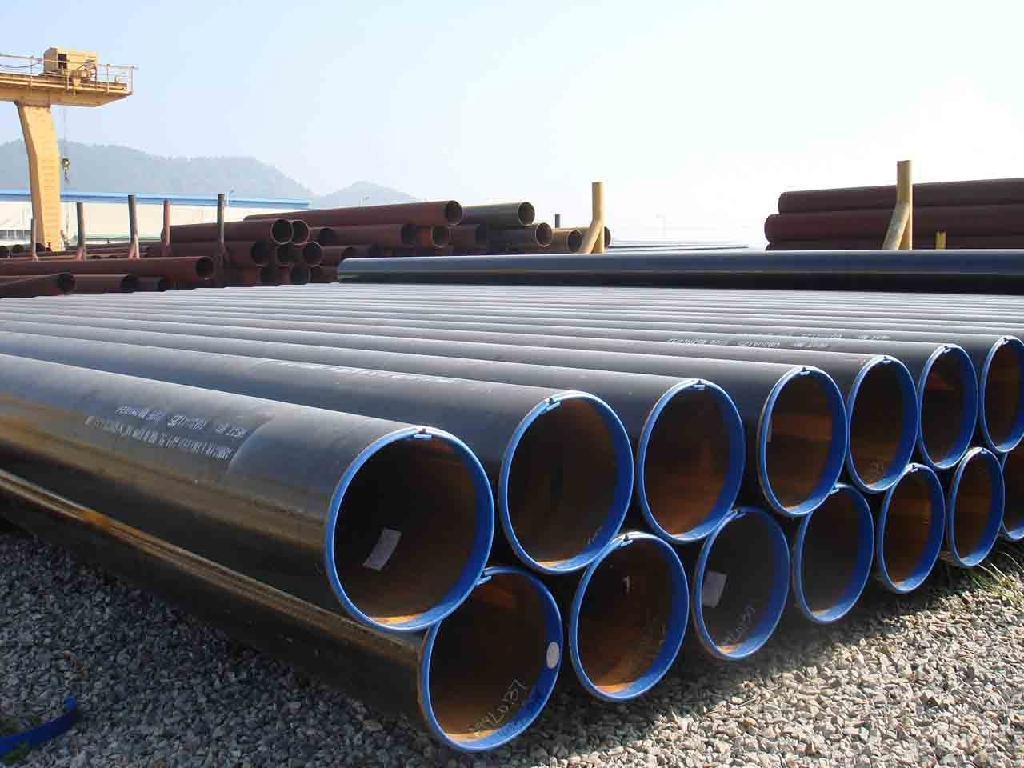 ️
️API 5L · ASTM A106 · A312 · A335 · A790View Pipes →
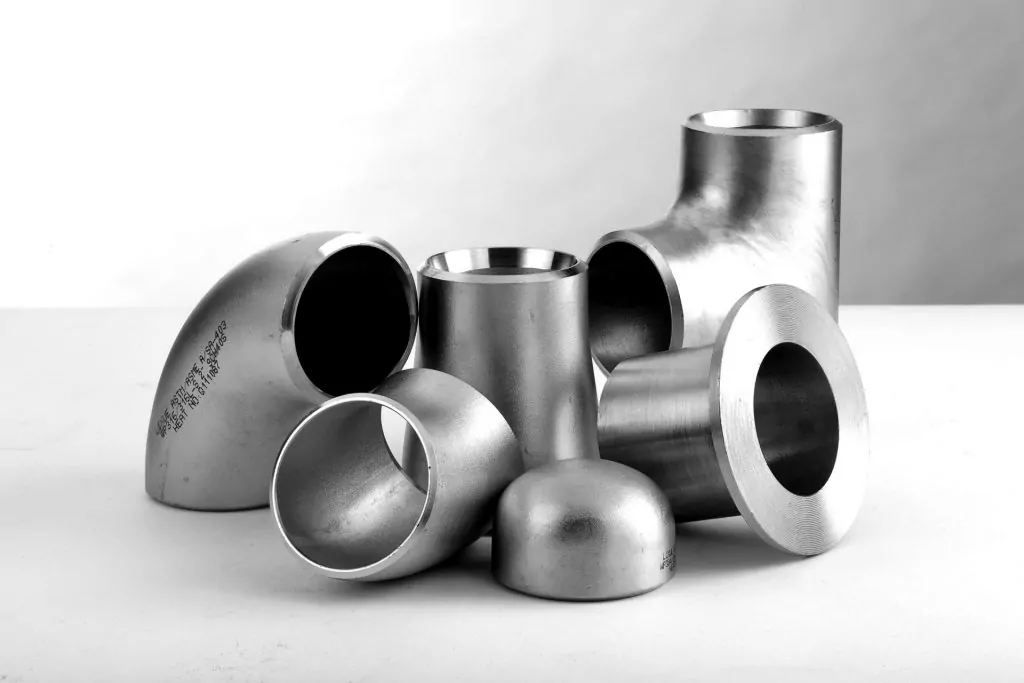
ASME B16.9 · B16.11 · MSS SP-75 · SP-97View Fittings →
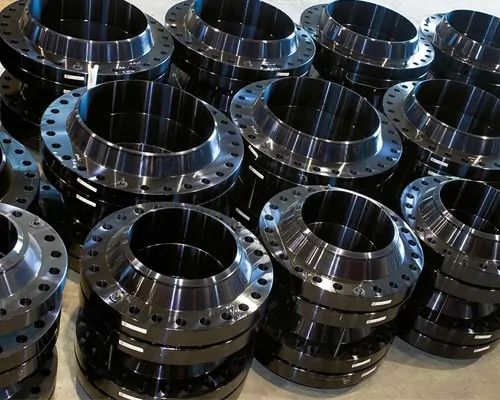
ASME B16.5 · B16.47 — WN, SO, BL, RTJView Flanges →
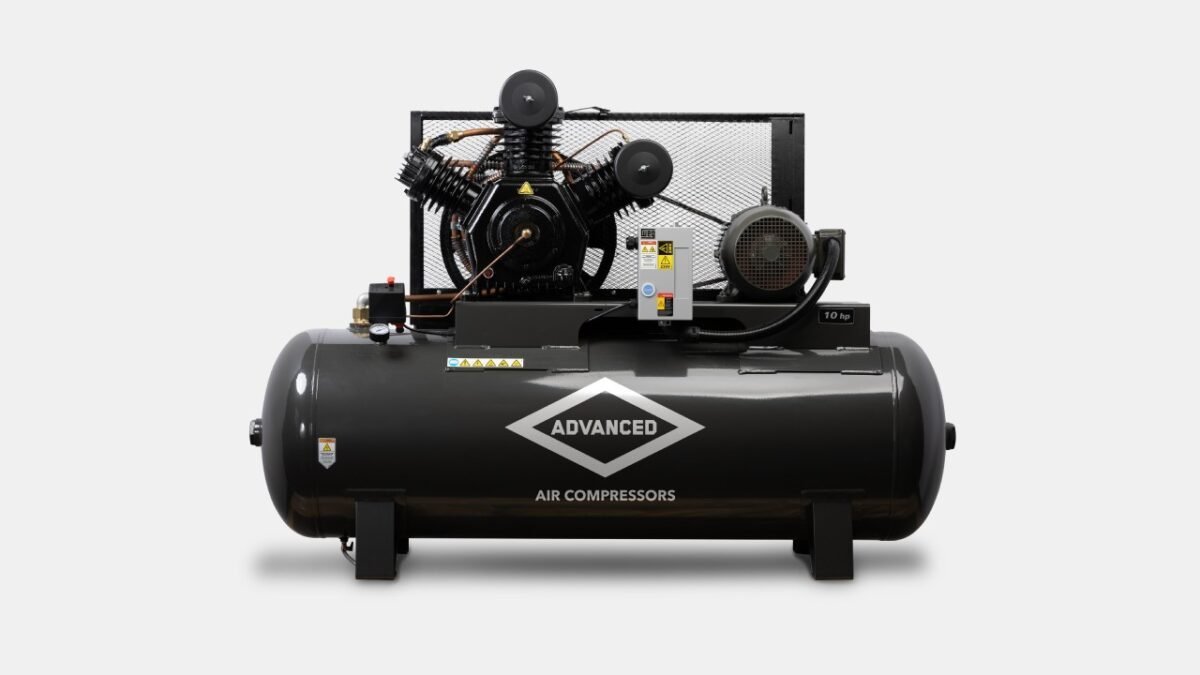
Compressors, Pressure Vessels & SeparatorsView Mechanical Equipment →