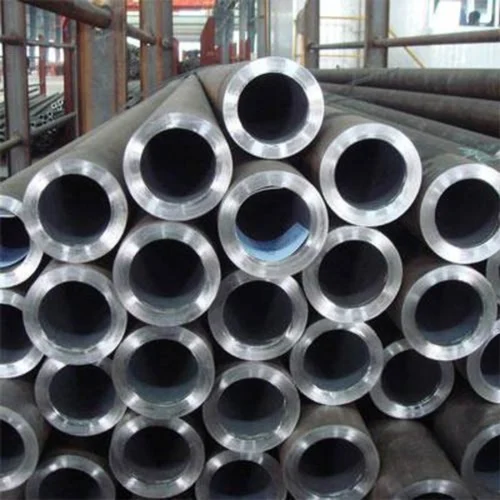
Choosing the wrong pipe supplier in the UAE carries operational, financial, and reputational risks. Delays in delivery disrupt project timelines and lead to costly downtime, particularly in oil & gas projects where schedule adherence affects multiple downstream activities. Substandard or uncertified pipe material can lead to certification failures, failed inspections, and rework—costs that outweigh any short-term savings. Quality issues can also cause leaks, corrosion, or mechanical failures in service, resulting in safety incidents and regulatory penalties. For international contractors, inconsistent documentation or missing mill test reports (MTRs) can prevent acceptance by clients and certifying bodies. Selecting a reliable pipe supplier reduces technical disputes, protects your schedule, and preserves client confidence, making supplier selection a strategic project decision, not just an administrative task.
Why Supplier Selection Matters — Consequences of a poor choice
Delays: extended lead times and project hold-ups.
Certification failures: non-compliant materials rejected at inspection.
Financial impact: rework, wasted materials, penalty clauses.
Safety and liability: increased failure risk and legal exposure.
Reputation: damaged relationships with clients and partners.
7 Things to Check Before Choosing a UAE Pipe Supplier
Certifications and Compliance: Verify ISO 9001 for quality management, API/ASTM standards relevant to your materials, and local UAE regulatory approvals. Suppliers operating from UAE free zones should have verifiable trade and export licenses.
Approved Vendor List (AVL) Status: Check whether your client or EPC contractor already approves the supplier. Being on the AVL shortens approval cycles.
Documentation Quality: Request complete MTRs, heat treatment records, and traceability logs. Accurate, legible documentation is as important as the pipe itself.
Stock Availability and Lead Times: Confirm in-stock quantities and realistic lead times. Local stock in the UAE free zones shortens delivery and reduces shipping risk.
Pricing Transparency: Look beyond unit price. Confirm terms for freight, taxes, customs handling, and potential surcharges. A low quote with hidden fees is common.
Delivery and Logistics Track Record: Ask for past delivery performance metrics, on-time delivery rates, and logistics partners. Familiarity with UAE ports and customs speeds clearance.
Technical Support and After-Sales Service: Evaluate whether the supplier offers cut-to-length services, beveling, coating, technical advice, and rapid replacement options for defective items.
These checks reduce surprises and give procurement teams a defensible basis for supplier selection.
Understanding Mill Certificates and MTRs — Why documentation matters as much as the product
Mill test certificates (MTRs) provide the chemical composition, mechanical properties, heat treatment, and forging/rolling records for each pipe lot. For pressure equipment, pipelines, and structural applications, regulators and engineers rely on MTRs to confirm material suitability under design conditions. An MTR that matches the purchase order, heat number, and pipe size demonstrates traceability from mill to site. Inconsistent or absent MTRs force requalification tests, delay approvals, and may require material replacements. Beyond compliance, MTRs support warranty claims and root-cause analysis if failures occur. When evaluating a pipe supplier, review sample MTRs for completeness—look for mill name, standard referenced (for example API 5L, ASTM A106), heat number, test results for tensile strength, yield, elongation, hardness, and non-destructive test outcomes. A supplier that proactively shares full, verifiable MTRs demonstrates process control and transparency—traits that mitigate long-term project risk.
Questions to Ask a New Supplier — Practical RFQ checklist
Can you provide current, full MTRs and sample documentation tied to the proposed heat numbers?
Are you listed on any client AVLs or recognized by major EPC contractors in the UAE?
What standards do your pipes meet (API, ASTM, EN)? Provide evidence.
Do you hold ISO 9001 or equivalent quality certifications? Can you share recent audit outcomes?
What are your lead times for stocked vs. made-to-order items, and what is your minimum order quantity?
What is included in your quote (incoterms, packing, inland transport, customs clearance if applicable)?
How do you handle non-conforming materials and warranty claims?
What logistics partners do you use for UAE deliveries, and do you offer consolidated shipments from free-zone warehouses?
Can you provide references or case studies for similar projects in the UAE?
Do you offer value-added services (beveling, coating, testing, cut-to-length) and technical support during installation?
Use this checklist in your RFQ to standardize supplier responses and make objective comparisons.
Red Flags to Watch For — Common warning signs of unreliable suppliers
Incomplete or vague documentation: missing MTRs, absent heat numbers, or generic test certificates.
Poor communication: slow replies, evasive answers, or inability to provide references.
Unclear pricing: quotes that omit freight, customs, or additional fees.
Short, inconsistent lead-time commitments: frequent changes in promised delivery dates.
No verifiable certifications: absence of ISO or industry-specific certificates.
Offshore-only stock claims with no local presence: higher risk of logistics delays and customs complications.
No after-sales process: suppliers who lack clear terms for returns, replacements, or warranty support.
Pressure tactics: demand for non-refundable deposits without contractual safeguards.
Spotting these red flags early helps avoid procurement setbacks and protects your project timeline.
Naftaar International FZE is a UAE Free Zone-certified pipe supplier experienced with oil & gas and construction projects across the region. We provide fully traceable MTRs, stocked inventory, transparent pricing, and value-added services including cut-to-length, beveling, and coating. Our documentation and AVL-ready processes speed client approvals and reduce onboarding delays. For fast, reliable deliveries and technical support tailored to your project needs, request a quote today at Naftaar’s page and secure compliance-safe pipe supplies for your next project.